I have always aimed to develop my future career in marketing field in the digital era. Role of a marketing manager has undergone tremendous change after the advent of IT technologies, social media and mobile technologies. As highlighted by Chaffey and Ellis-Chadwick (2019), marketing field has been transformed as digital technologies have paved way for multi-channel marketing strategies. So role of a marketing manager has changed as they are expected to have knowledge and skill not only in traditional marketing methods but also in digital marketing methods like paid media, owned media and earned media as presented in the below figure.
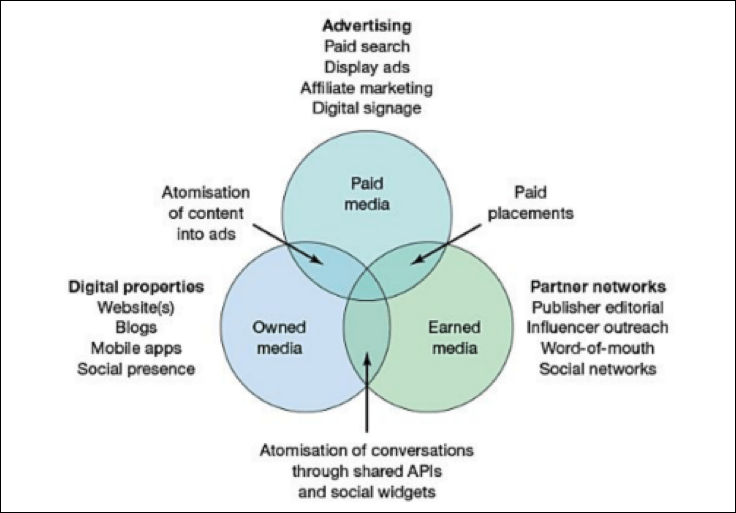
Figure 1: Latest technologies in marketing field
Source: Chaffey and Ellis-Chadwick (2019)
Traditional marketing strategy of using four P’s (Product, Price, Place and Promotion) to develop effective marketing strategies have become outdated in the current digital era. Companies are actively using social media platforms like Facebook, Twitter etc. to reach out to customers, empower them and be more interactive as stated by Pantano et al. (2019). There is drastic change in the role of a marketing manager to consider various other dimensions like physical evidence, people and process as discussed by Saidani and Sudiarditha (2019). So the role of a marketing manager has to not only focus on marketing a product but also to understand the customer needs and trends on online and offline platform and deliver value through online content and interaction.
It has to be noted that marketing managers are expected to have knowledge in marketing principles and theories and possess extensive knowledge and skill in digital tools, and using them for developing marketing strategies and marketing operations as stated by Royle and Liang (2014). Role of marketing managers have shifted their focus on online marketing research, interactive communication, channel and customer relationship management etc. And more specifically, digital marketing manager job role demands an individual to have skills in corporate communication and digital communication and technical knowledge.
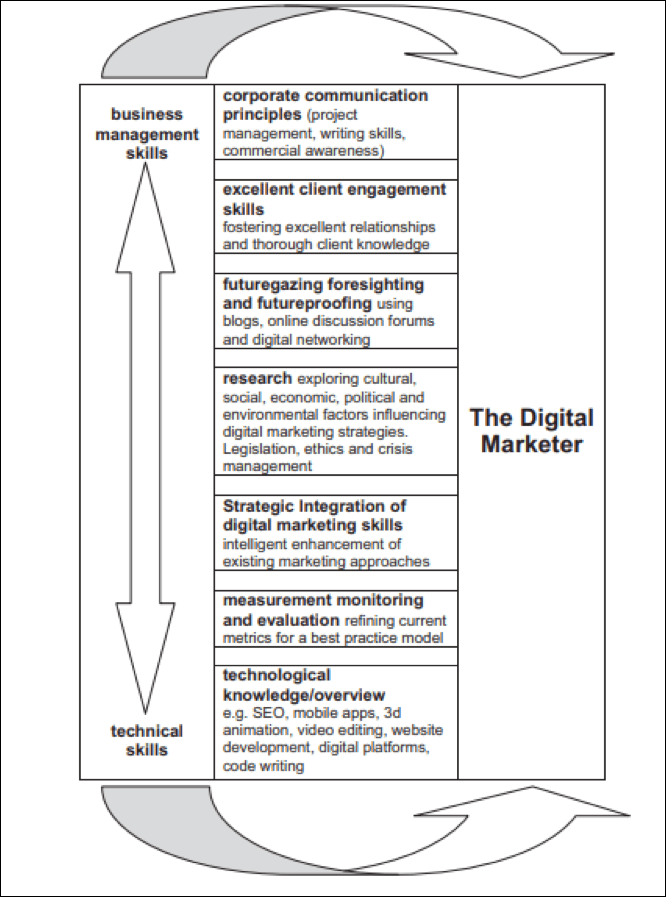
Figure 2: Skills for a digital marketer
Source: Royle and Liang (2014)
Role of a marketing manager has emerged in a different dimension to conduct evaluation of digital marketing activities, understand the metrics like conversion rate, web traffic, cost per lead, click through rate, brand awareness, returning visitors, acquisition cost etc. There is change in the focus of a marketing manager towards customer orientation. As indicated in the below figure, a marketing manager in a digital era has to emphasize on customer orientation rather than product orientation as stated by Di Gregorio et al. (2019).
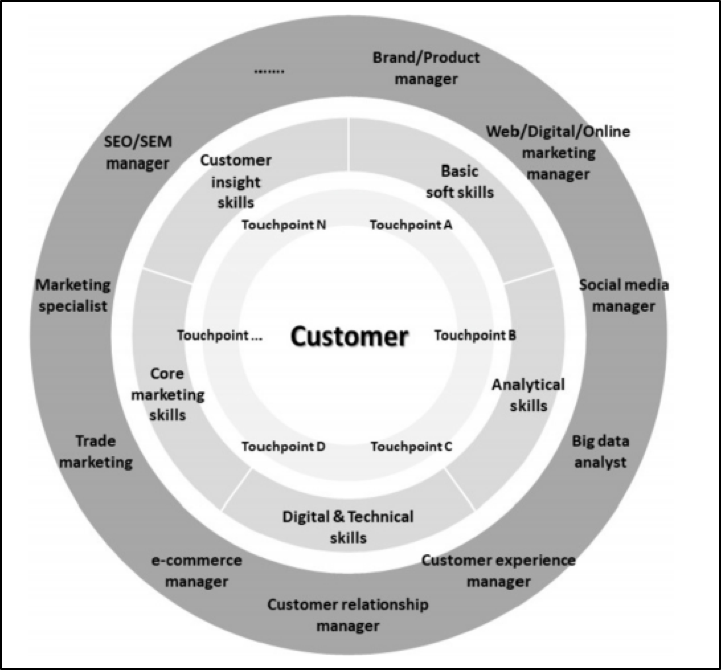
Figure 3: Customer-orientation by marketing managers of digital era
Source: Di Gregorio et al. (2019)
Currently, role of marketing managers are described as digital marketing, social media marketing, e-commerce marketing etc. and the key skill expected from digital marketing managers are being customer focused and use digital data for analytics. Digital technologies have widened the scope for marketing managers to interact with customers through various touch points (virtual and physical) and travel along with a customer through their whole shopping journey as described by Lemon and Verhoef (2016).
Future of Marketing
Future role of marketing managers is going to be high demanding with use of different technologies like Artificial Intelligence, IoT, Big Data, Chatbot etc. in order to ensure customer experience. Role of marketing managers will shift in delivering exceptional shopping experience to customers in both store and online platforms. In future, marketing managers’ role will engage in working with interdisciplinary teams and handle omni-channel strategies (Grewal et al. 2020). As indicated by Holmlund et al. (2020), future of marketing is to ensure customer experience which is considered to be a sustainable strategy for gaining competitive advantage. Customer experience can be ensured with the use of Big Data Analytics. In future, marketing managers will rely on technologies like Big Data to gain insight into customers, psychographic, behavioural and market insights.
Future of marketing strategies is going to emphasize on experiential marketing. As indicated by Yeh et al. (2019), marketing managers of the future have to develop values like increased customer engagement, gain more online visibility and brand affinity using experiential marketing. Managers have to be more creative in developing experiential marketing strategies like product testing or workshops or tour of the production facility etc.
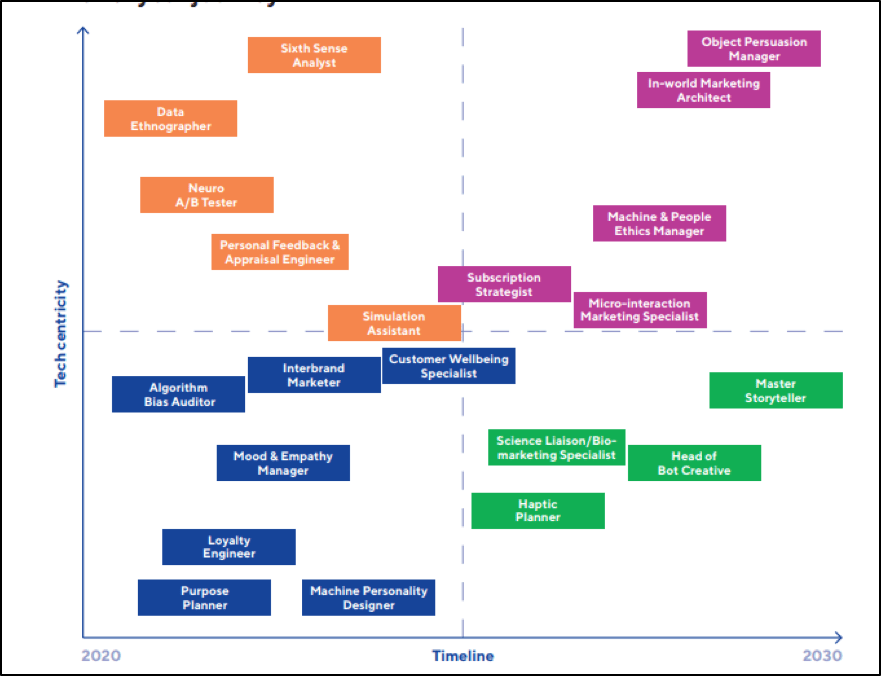
Figure 4: Future marketing roles
Source: Cognizant (2019)
So, in the days to come, marketing manager roles may be more interesting as presented in the above figure. Future role of marketing manager is going to be highly analytical and will demand strong communication skills, critical thinking, develop various insights and sustainable plans to deliver value and customer experience, be flexible and adaptable to diverse cultures. More importantly, role of future marketing managers will be to leverage on technology and data to analyse customer and market trends; customise marketing communication, use omni-channel strategy and personalisation to deliver exceptional customer experience and boost brand reputation by providing value and experience to customers.
References
Chaffey, D. and Ellis-Chadwick, F., 2019. Digital marketing. Pearson UK.
Cognizant., 2019. 21 Marketing jobs of the future. [Online] Available at: https://www.cognizant.com/whitepapers/21-marketing-jobs-of-the-future-codex4428.pdf[Accessed 12thFebruary 2020].
Di Gregorio, A., Maggioni, I., Mauri, C. and Mazzucchelli, A., 2019. Employability skills for future marketing professionals. European Management Journal, 37(3), pp.251-258.
Grewal, D., Hulland, J., Kopalle, P.K. and Karahanna, E., 2020. The future of technology and marketing: a multidisciplinary perspective.
Holmlund, M., Van Vaerenbergh, Y., Ciuchita, R., Ravald, A., Sarantopoulos, P., Ordenes, F.V. and Zaki, M., 2020. Customer experience management in the age of big data analytics: A strategic framework. Journal of Business Research.
Lemon, K.N. and Verhoef, P.C., 2016. Understanding customer experience throughout the customer journey. Journal of marketing, 80(6), pp.69-96.
Pantano, E., Priporas, C.V. and Migliano, G., 2019. Reshaping traditional marketing mix to include social media participation. European Business Review.
Royle, J. and Laing, A., 2014. The digital marketing skills gap: Developing a Digital Marketer Model for the communication industries. International Journal of Information Management, 34(2), pp.65-73.
Saidani, B. and Sudiarditha, I.K.R., 2019. Marketing Mix-7ps: The Effect on Customer Satisfaction. Jurnal Pendidikan Ekonomi Dan Bisnis (JPEB), 7(1), pp.72-86.
Yeh, T.M., Chen, S.H. and Chen, T.F., 2019. The relationships among experiential marketing, service innovation, and customer satisfaction—A case study of tourism factories in Taiwan. Sustainability, 11(4), p.1041.
 Aozhe's blog
Hi Cui,
What a great blog post! I am also interested in digital transformation in marketing. I totally agree that digital marketing has changed the way of marketing, which is more interesting and enhance customers’ experience. I know that customers are more eager for multisensory experience, taking advantage of AI, IoT, or Chatbots can increase engagement and interactions with customers greatly. I want to argue what you have not mentioned that it is also significant to use influencer marketing. People would trust more on those who are famous, or they admire. This is an important way for marketers to build brand image and deliver valuable information to customers. If you are interested, you can check the link to see information about influencer marketing.
https://sproutsocial.com/insights/influencer-marketing/
I completely agree that there are more requirements for marketers, such as better communication skills, being more creative and innovative, or skills of critical thinking. I would argue it is also worth being noted to keep data transparent, allowing customers to know what data would be used in marketing activities, which can help balance personalization and privacy.
All the best!
Siying
赞赞
Hi Cui, I have read your lovely blog! This is a good blog post. After entering the era of the ‘Internet of Things’, which is characterized by the digital economy, various big data analysis, upgrading of marketing methods, and changes in customer interest orientation have placed higher requirements on the role of future marketing managers. The developing trend of marketing methods tends to change in the background of digital economy. The popularity of various social platforms such as Twitter, Facebook, etc. has created more possibilities to achieve better sales purposes. In these social platforms, they can collect and analyze user data to understand their future expectations for better performance. I am thinking about the targeting customers, as we mentioned above, in some digital platforms such as Twitter, most of the users is the youngers, so if the sales target group is the elderly, then we must pay attention to the use of corresponding platforms, such as newspapers and televisions, telephone promotions.
Nice to read that!
赞赞